

Dayem Project: Leading Libya Towards Environmental Resilience
The Dayem Project, led by the Moomken Organization for Awareness and Media and funded by GIZ, is a twoandahalfyear initiative designed to tackle Libya’s pressing climaterelated challenges.
- Published
- 23 June 2024
- Project photos
- 62 photos
The Dayem Project, led by the Moomken Organization for Awareness and Media and funded by GIZ, is a two-and-a-half-year initiative designed to tackle Libya’s pressing climate-related challenges. Operating under the title “Sustainable Environmental and Climate Change Adaptation and Resilience” (SECCAR), the project aims to enhance Libya’s ability to adapt to and mitigate the impacts of climate change.
The Dayem Project, led by the Moomken Organization for Awareness and Media and funded by GIZ, is a two-and-a-half-year initiative designed to tackle Libya’s pressing climate-related challenges. Operating under the title “Sustainable Environmental and Climate Change Adaptation and Resilience” (SECCAR), the project aims to enhance Libya’s ability to adapt to and mitigate the impacts of climate change.
Environmental Focus
Climate Change Adaptation and Mitigation: The Dayem Project is committed to improving Libya’s resilience to climate change through a series of strategic interventions:
· Sustainable Land Management: Implementing practices that prevent land degradation and promote the sustainable use of natural resources.
· Water Resource Management: Improving the management of water resources to combat severe water scarcity and ensure sustainable agricultural practices.
· Disaster Risk Reduction: Strengthening strategies to reduce the risks associated with extreme weather events, such as floods and droughts.
2- Renewable Energy Solutions: To reduce dependency on fossil fuels and promote environmental sustainability, the Dayem Project focuses on implementing renewable energy solutions:
· Solar-powered Water Pumping: Replacing diesel-generated or grid-based electricity with solar-powered solutions for irrigation.
· Rooftop Solar Panels: Encouraging the installation of solar panels to generate electricity, reducing greenhouse gas emissions and alleviating the strain on the national grid.
3- Community Engagement and Education Raising awareness and educating local communities about climate change and sustainable practices is pivotal to the Dayem Project. Key activities include:
· Awareness Campaigns: Developing media content and engaging local influencers to spread awareness about climate change impacts and adaptation strategies.
· Outreach Programs: Conducting community dialogues, youth engagement workshops, and adult capacity enhancement workshops to foster a proactive approach to environmental conservation.
· School Workshops: Partnering with the Ministry of Education to integrate climate-centric themes into academic curricula, aiming to engage at least 500 participants across schools and communal hubs.
4- Stakeholder Involvement Collaboration with various stakeholders ensures the long-term sustainability of the Dayem Project’s initiatives:
· Government Entities: Partnering with municipal governments, the Ministry of Environment, the Ministry of Agriculture, and the Department of Water Resources to develop and implement effective climate policies and practices.
· Non-Governmental Organizations: Engaging environmental NGOs and women’s empowerment organizations to support and amplify project activities.
· Private Sector: Collaborating with renewable energy companies and agricultural businesses to leverage expertise and resources for sustainable solutions.
5- Monitoring and Evaluation The Dayem Project incorporates a robust monitoring and evaluation (M&E) framework to track progress and ensure the effectiveness of its interventions:
· Continuous Data Collection: Regular monitoring of project activities and data triangulation to provide real-time insights into project performance.
· Preliminary and Impact Evaluations: Conduct midline and end-line evaluations to assess the project’s impact on environmental sustainability and community resilience.
Conclusion
The Dayem Project is a comprehensive initiative aimed at bolstering Libya’s environmental resilience to climate change. By promoting sustainable practices, renewable energy solutions, and community engagement, the project seeks to mitigate the adverse effects of climate change and ensure a sustainable future for Libyan communities. Through collaboration with various stakeholders and a strong focus on environmental conservation, the Dayem Project embodies a proactive approach to addressing climate-related challenges in Libya.
Project timeline
12 activitiesالأسبوع الثالث من تدريبات «دور المرأة في العمل المناخي» تزامنًا مع اليوم العالمي للبيئة
22 June 20267 photos
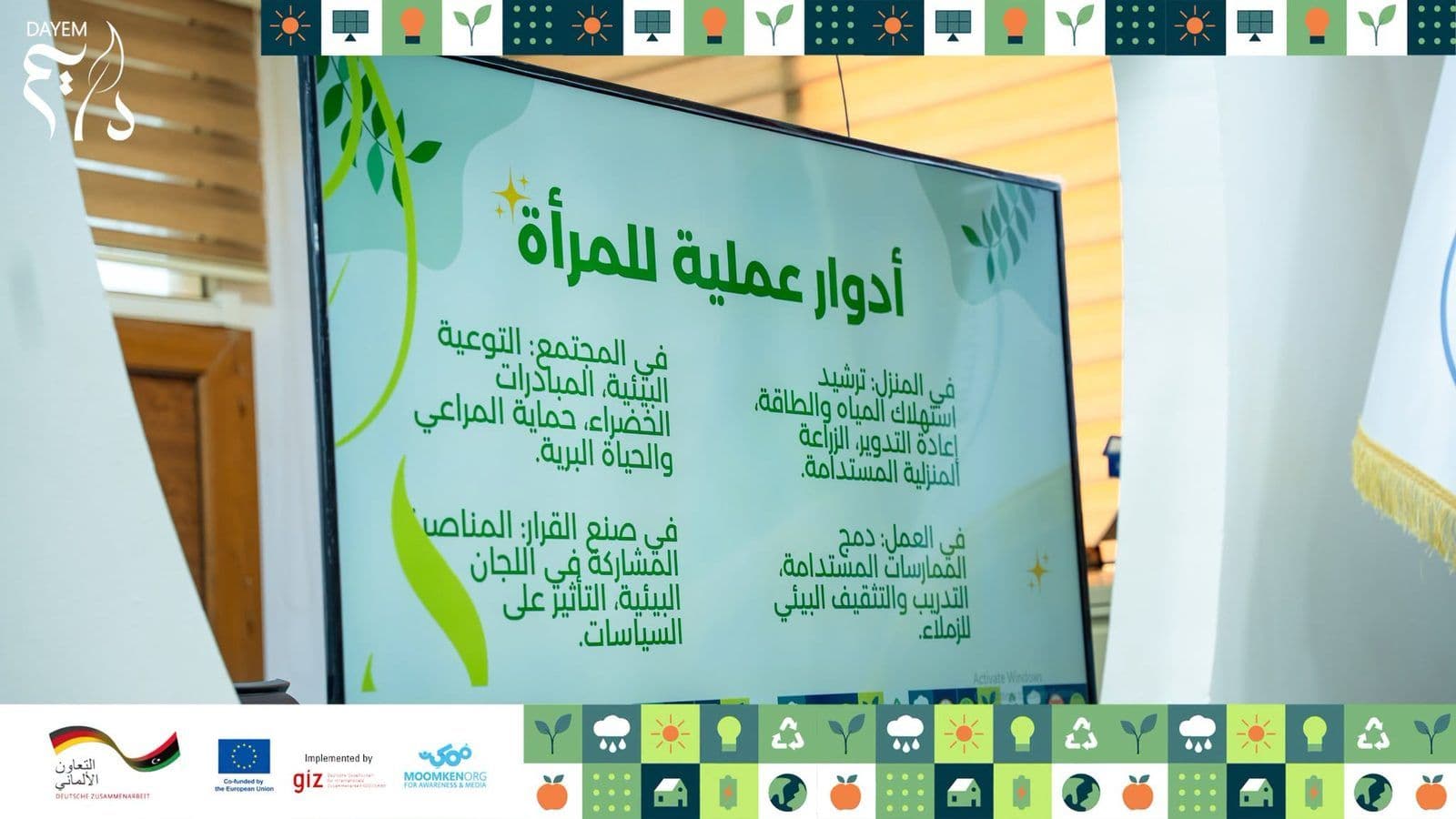
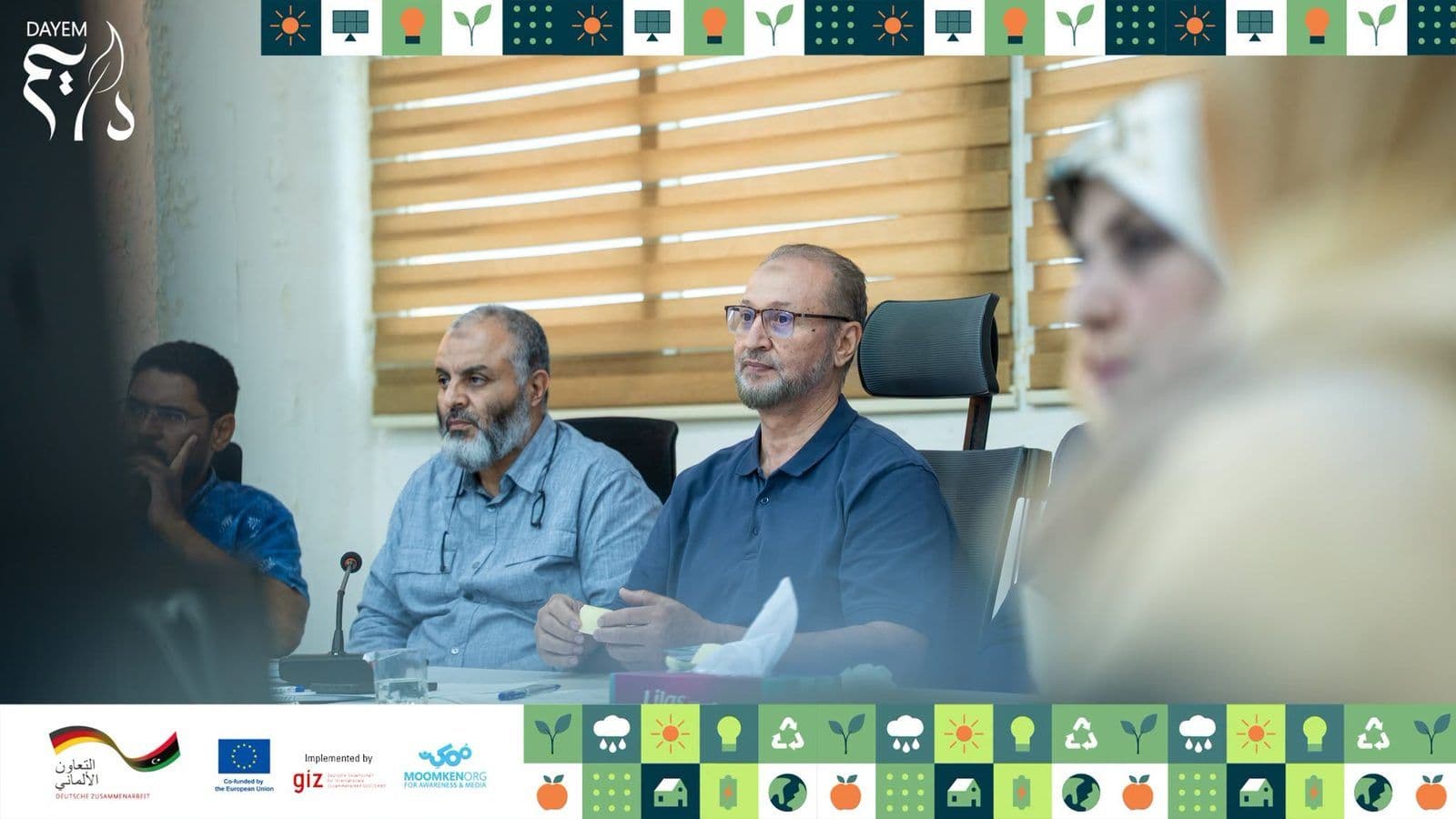
أجواء الأسبوع الثاني من تدريبات «دور المرأة في العمل المناخي»
18 June 20267 photos
تذكير | مستمرون في سلسلة “دور المرأة في العمل المناخي” ضمن مشروع #دايم
22 May 20261 photos
نلتقي بكن في أبوسليم ضمن تدريبات “دور المرأة في العمل المناخي” المقدمة من مشروع #دايم
18 May 20261 photos
محطة جديدة من سلسلة تدريبات “دور المرأة في العمل المناخي” ضمن مشروع #دايم هذه المرة في جنزور.
17 May 20261 photos
ضمن سلسلة تدريبات “دور المرأة في العمل المناخي” نواصل لقاءاتنا التوعوية في طرابلس المركز ضمن مشروع #دايم
15 May 20261 photos
الأسبوع الأول من تدريبات «دور المرأة في العمل المناخي»
14 May 20268 photos
ضمن سلسلة تدريبات “دور المرأة في العمل المناخي” نلتقي بكن هذه المرة في منطقة أبو سليم ضمن مشروع #دايم
12 May 20261 photos
ورشة عمل | أولى تدريبات سلسلة “دور المرأة في العمل المناخي” ضمن مشروع #دايم
10 May 20261 photos
إطلاق سلسلة تدريبات «دور المرأة في العمل المناخي» ضمن مشروع دايم
7 May 20262 photos
بلدية مسلاتة تطلق تدريبات متخصصة حول تغيّر المناخ (تدريب المدربين – STEP)
28 January 20261 photos
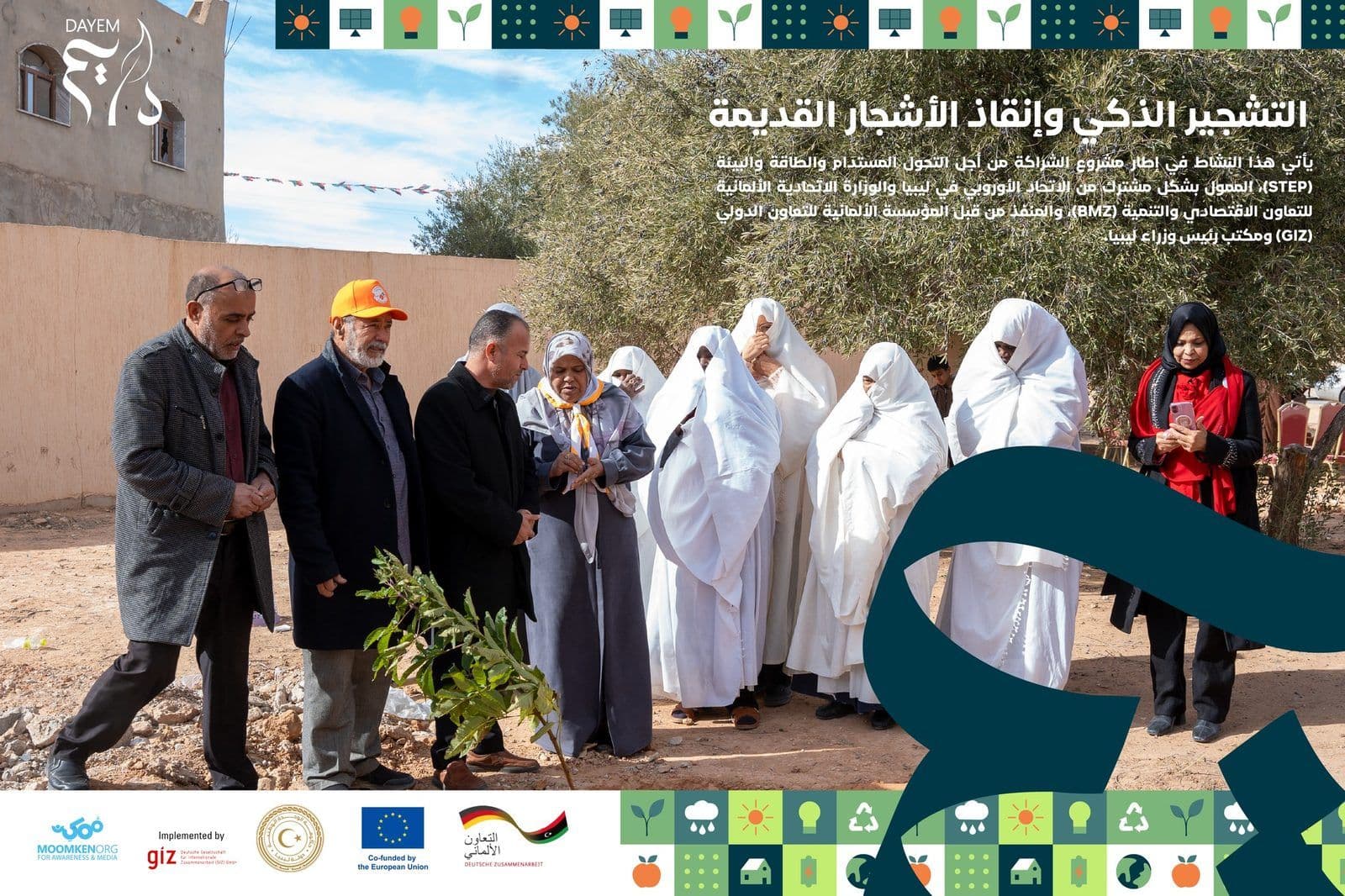
ورشة «التشجير الذكي وإنقاذ الأشجار القديمة» بمدينة ككلة (3 يناير 2026)
20 January 20268 photos
Project photos
62 photosRelated content
MSCS Project
دعم خمس بلديات لإعداد استراتيجيات شاملة وتشاركية تعزز الترابط المجتمعي. المحور الاستراتيجي (1): الحوكمة والشفافية المحور الاستراتيجي (2): حماية المواطنة من الضغط القبلي وتعزيز السلم الاجتماعي المحور الاستراتيجي (3): فتح متنفس للشباب وتمكينه ثقافياً ورياضياً…
E-Resource Center
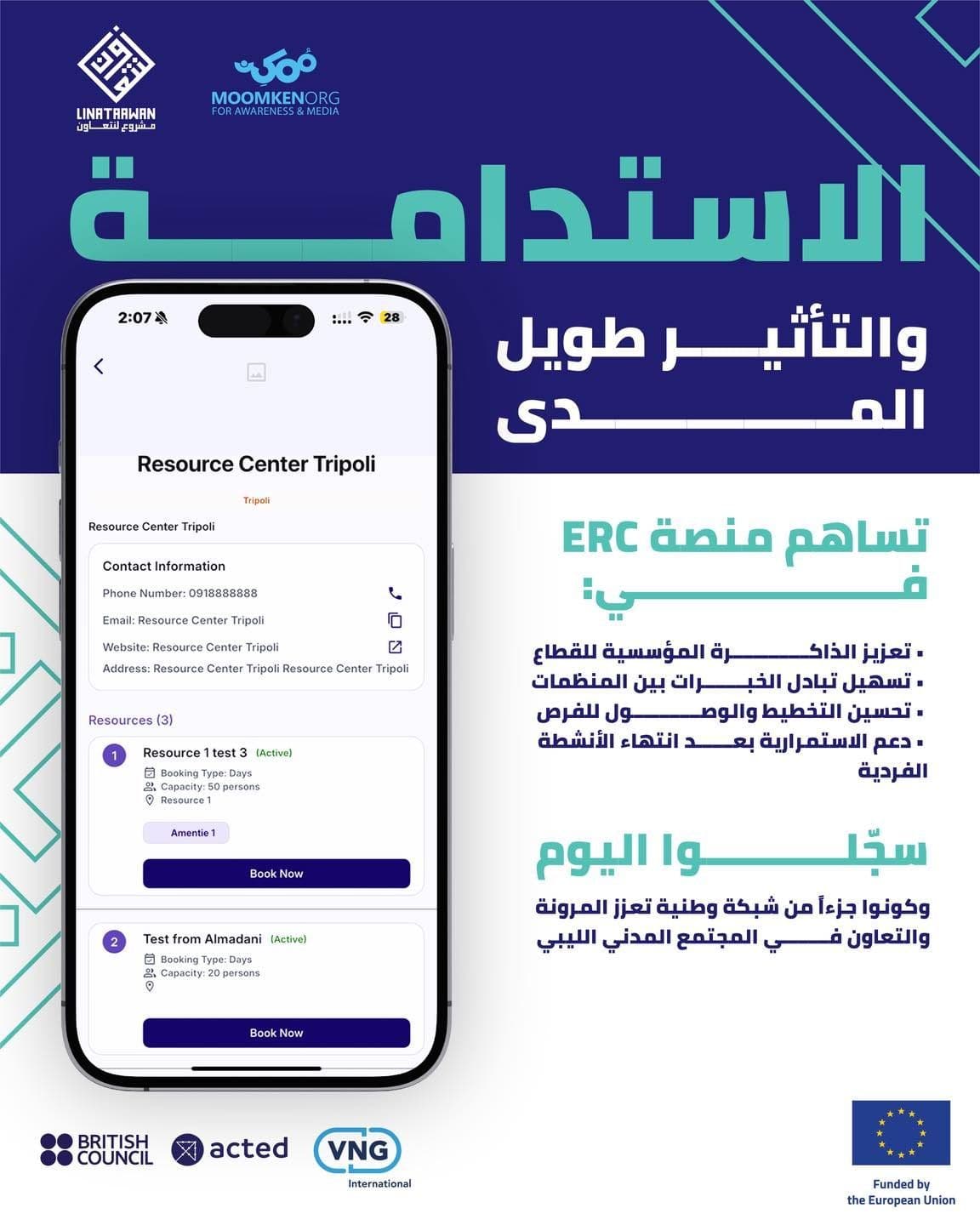
The EResource Center project was launched to enhance the digital capacity and institutional resilience of Libyan civil society organizations (CSOs).

Jahez
The Jahez Project (meaning “Ready” in English) is all about empowering young people across Libya by creating opportunities for them to actively participate in shaping their communities and improving their economic prospects.